The Collaborative Action Strategy in the Democratic Republic of the Congo

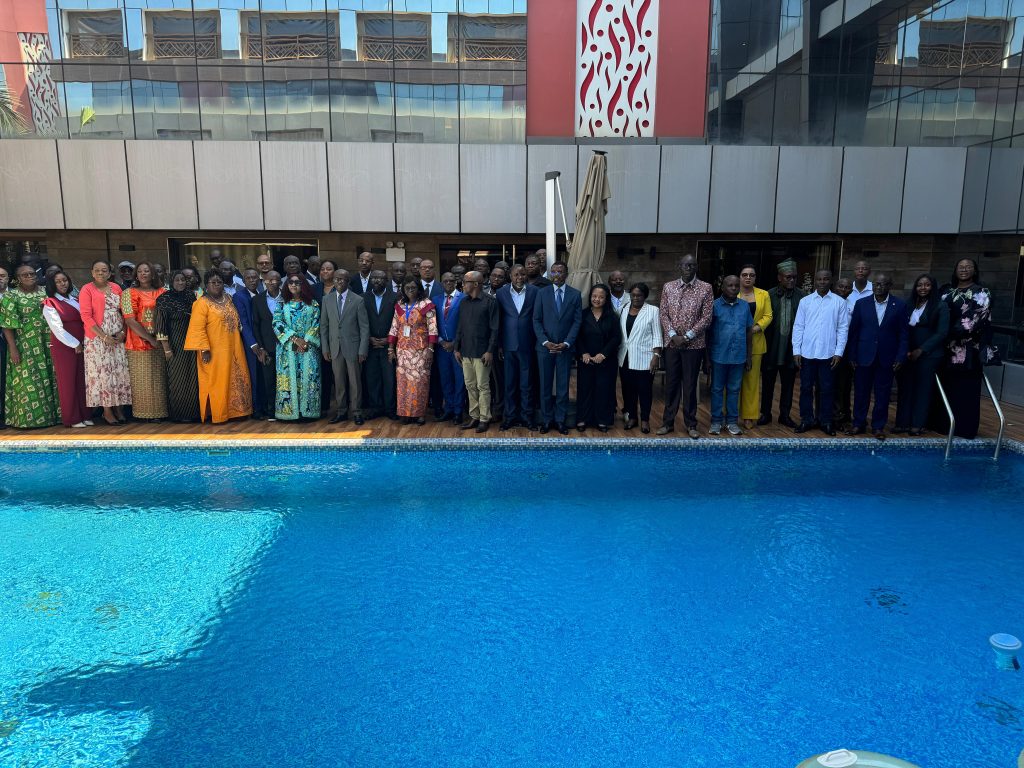
Official group photo of workshop participants during the opening ceremony in Lubumbashi, Democratic Republic of the Congo in April 2026. Photo Credit WHO AFRO

🇨🇩 Strengthening Health Campaign Collaboration & Effectiveness in the Democratic Republic of the Congo

From 27–29 April 2026, government leaders, technical experts, and global health partners gathered in Lubumbashi, Democratic Republic of the Congo (DRC), for a national workshop to move the country from fragmented, standalone campaign delivery toward a more coordinated and integrated model for health campaigns.

Convened under the leadership of Secretary General for Public Health, Dr Body Ilonga Bompoko, the workshop brought together senior representatives from priority programs, the World Health Organization, UNICEF, Gavi, the Gates Foundation,Sydani Group, eGov Foundation and the Task Force for Global representing the Health Campaign Effectiveness Coalition (HCE Coalition) Program Office, and other technical partners. Together, participants worked to identify opportunities to better coordinate and collaborate on health campaigns, improving efficiency while strengthening routine health services, using the HCE Coalition’s Collaborative Action Strategy (CAS) as a framework.

Secretary General for Public Health, Dr. Body Ilonga Bompoko addresses workshop participants. Photo Credit: Destiny Chukwu.

The HCE Coalition Program Office was pleased to support several WHO colleagues with this important workshop. Through interactive sessions, participants explored practical approaches to strengthening cross-programme collaboration, aligning partners around shared priorities, and building the governance structures needed to support integrated campaign planning and implementation.

The workshop marked an important milestone in the DRC’s efforts to move from vertically planned campaigns toward a more collaborative and integrated approach. Participants mapped planned health campaigns over the next three years, identified opportunities for integration, and developed a roadmap to guide implementation. The resulting plan includes the establishment of a national coordination mechanism, technical working groups, and a strategy for monitoring progress. Building on DRC’s own MR-Polio integration experience and lessons from Ethiopia and Nigeria, participants identified 33 opportunities for integrated campaigns, including immunization, neglected tropical disease interventions, malaria prevention, and nutrition activities.

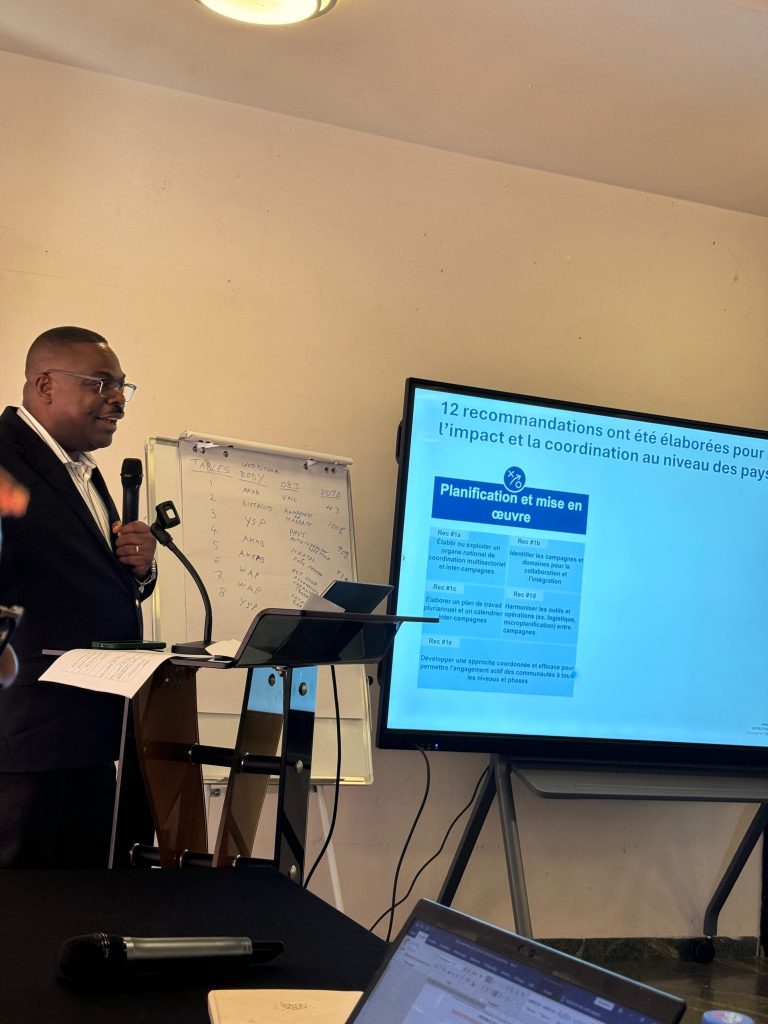
Franck Mboussou of WHO DRC Country Office presents the Collaborative Action Strategy Recommendations. Photo Credit: Destiny Chukwu
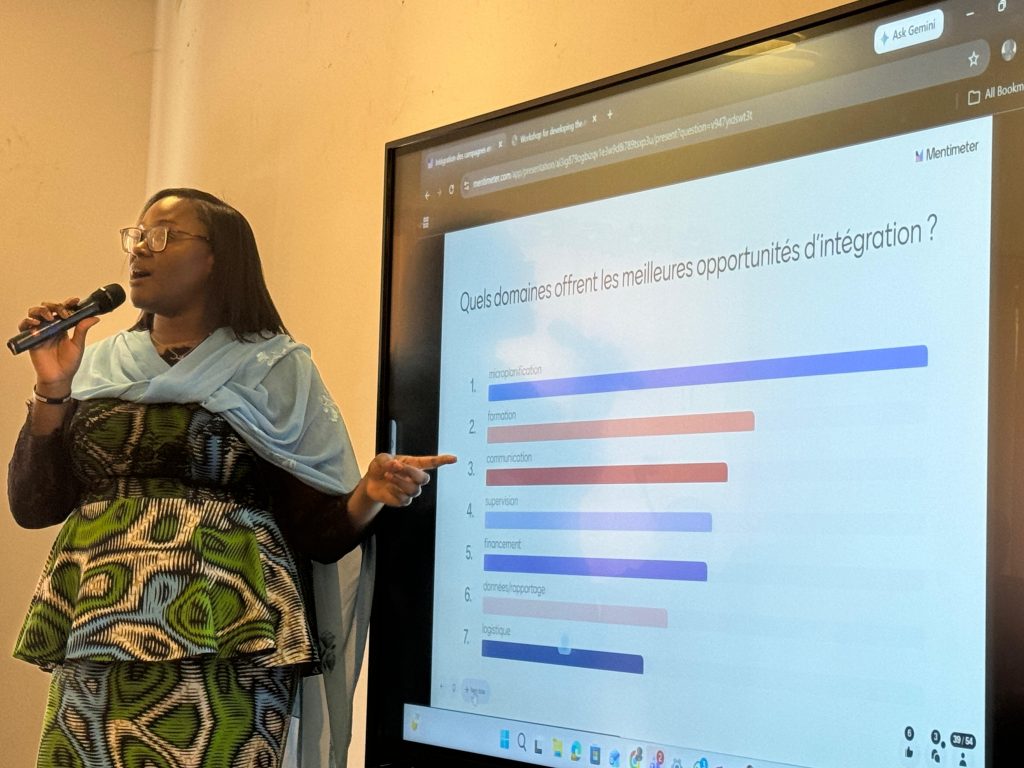
Destiny Chukwu, Monitoring, Evaluation, and Learning Advisor at the HCE Coalition Program Office provided technical expertise on the Coalition's Collaboration Action Strategy and facilitated several sessions. Photo Credit: Destiny Chukwu

For the HCE Coalition, this workshop reflects the growing momentum behind collaborative approaches to campaign planning and implementation that can help improve coverage, reduce operational costs, and make better use of limited health workforce capacity. As countries seek to maximize the impact of health investments while reducing the burden of overlapping campaigns on health workers and communities, collaboration is becoming an essential component of stronger, more resilient health systems.

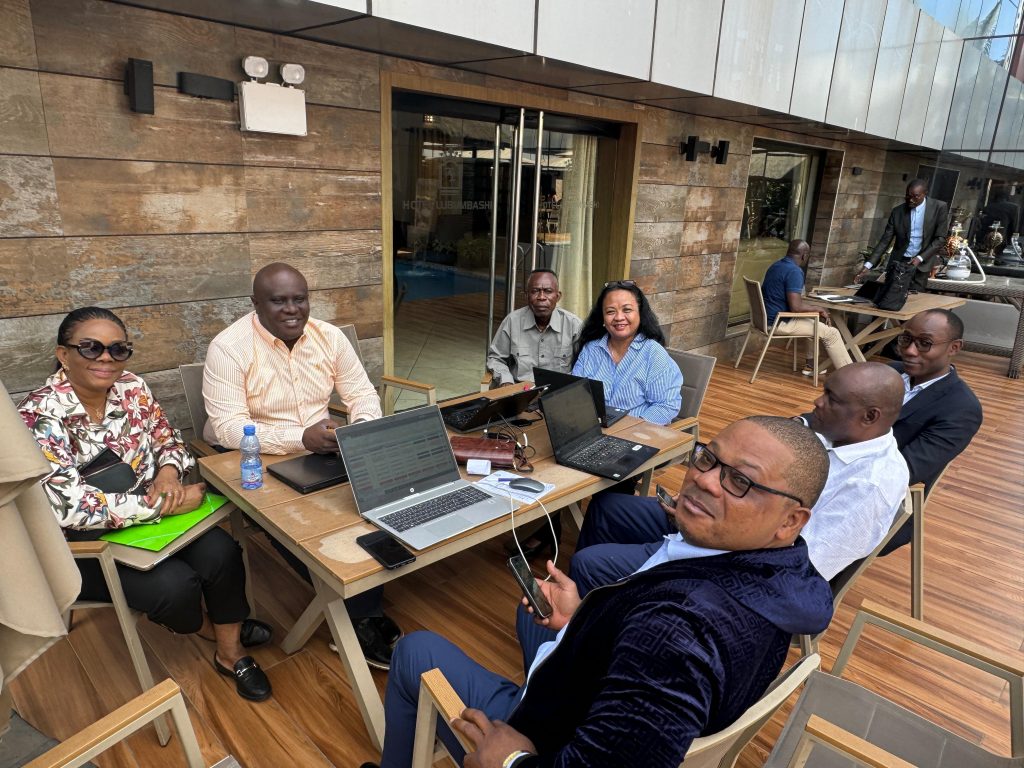
Strategic consultation among health partners to align operational and financial resources with the DRC's integration priorities. Photo Credit: Destiny Chukwu

 To learn more about the workshop, see these publications from WHO and ESPEN

Explore examples of how Ethiopia and Nigeria adapted the CAS to their contexts and learn more about their experiences: 

The CAS in Ethiopia

The CAS in Nigeria

Share This News Article

Facebook
Twitter
LinkedIn
Email
Print

Advanced Search

Cross-Cutting Topics

Cross-Cutting Topics

Campaign Program

Campaign Program

Resource Type

Resource Type Filter

TOP