Ethiopia's Health Campaign Transformation
Ethiopia pioneered a systematic approach to transform its public health system, resulting in the first nationwide integrated health campaign to reach millions of children with lifesaving services.
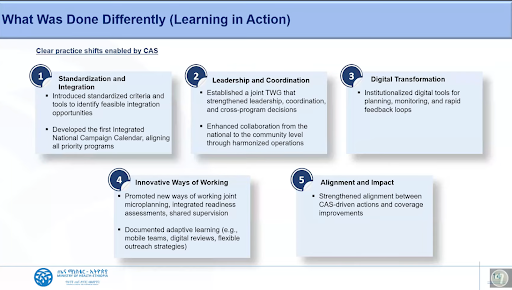
Ethiopia has a wealth of health campaign experience, conducting an average of 14 health campaigns per year. The Ministry of Health recognized that these campaigns could be more efficient and achieve even greater impact on population health by reducing fragmentation and enhancing integration and co-delivery. To achieve these aims, Ethiopia became one of the first countries to begin adopting the recommendations of the Collaborative Action Strategy for Health Campaign Effectiveness (CAS) in 2024.
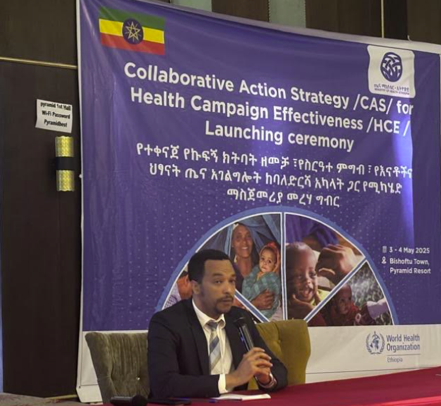
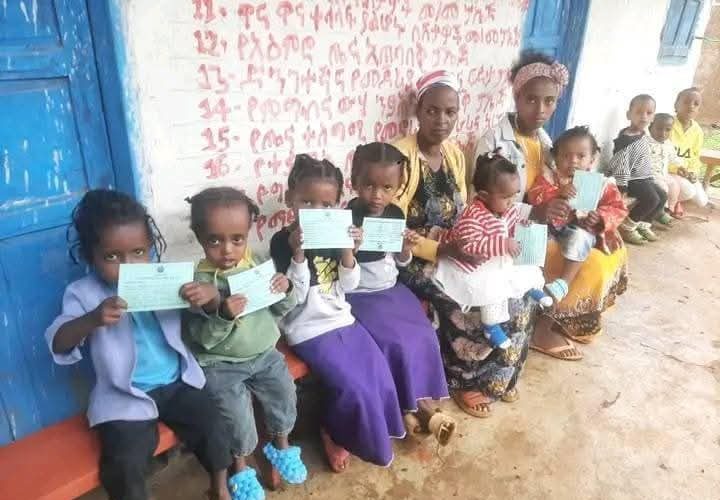
In May 2025, Ethiopia launched the Ethiopian Collaborative Action Strategy (E-CAS) to guide planning and implementation of the integrated health campaign. As a result, over 18 million children received vaccinations, deworming, and nutrition supplementation in even the hardest-to-reach communities. This success demonstrated a sustainable model for health service delivery and system strengthening.
E-CAS: A New Strategy for Campaign Integration
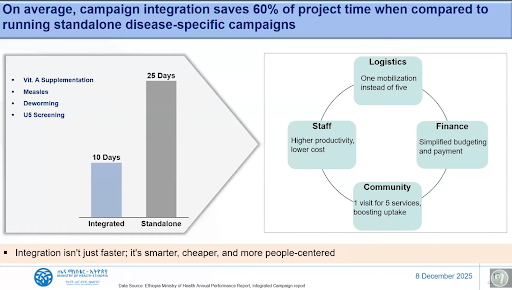
The E-CAS is a 5-year strategy that provides a framework for collaboration amongst campaign programs and health services. E‐CAS is anchored in the principle of “one plan, one budget, one report.” The strategy aims to enhance acceptability, achieve cost savings, and strengthen system-wide effectiveness.
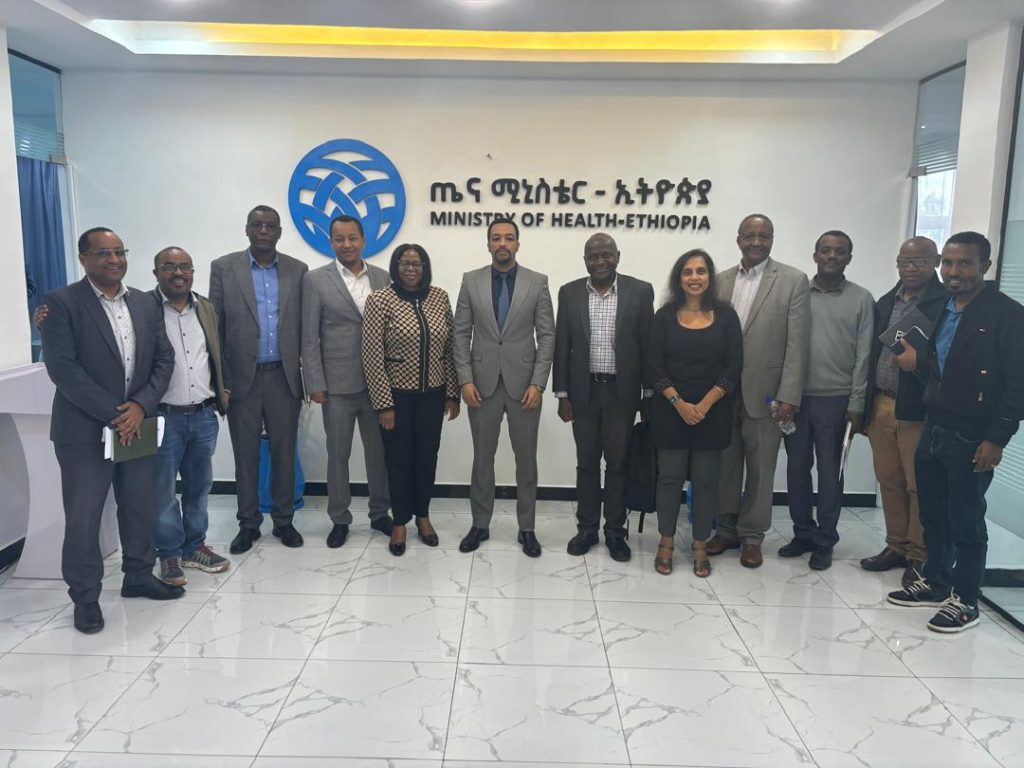
Ethiopia is a focus country for the Health Campaign Effectiveness (HCE) Coalition and one of the first countries to adapt the recommendations of the Collaborative Action Strategy for Health Campaign Effectiveness (CAS). The E-CAS development was led by the Federal Ministry of Health with support from the HCE Coalition. The E-CAS received broad endorsement from health campaign partners across the government and officially launched in 2025.
Ethiopia's Collaborative Action Strategy Journey
Phase 1: Socialization & Readiness
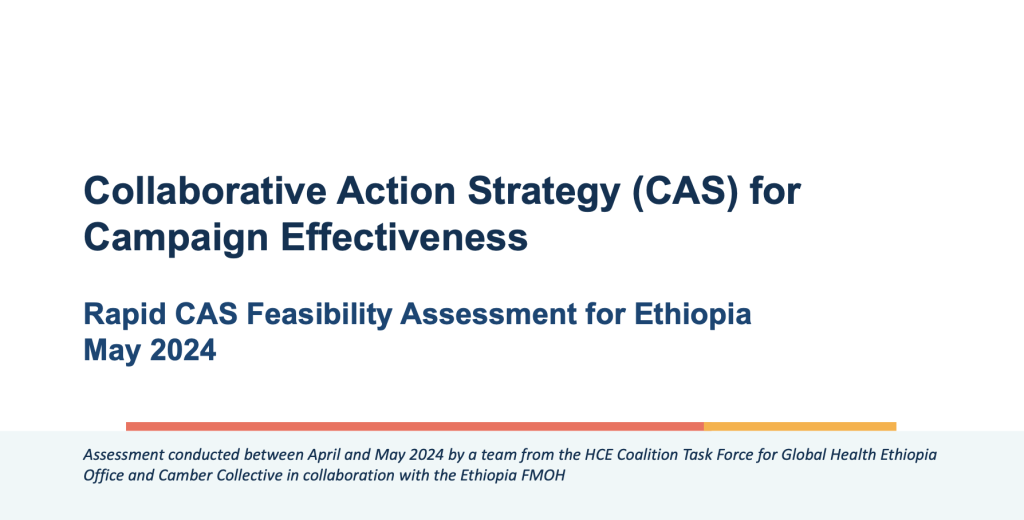
Ethiopia conducted a readiness assessment and SWOT analysis, including a scan of existing campaigns, health system capacities, and key partners integral to the CAS, including securing the endorsement of senior leadership.
See below for outputs of this phase, including the feasibility study report and video from Dr. Dereje Duguma demonstrating Ethiopia’s commitment to the new approach.
Phase 2: Customization Planning
In the second phase, the CAS recommendations were customized to Ethiopia’s unique context. The Ethiopia team presented a webinar to brief stakeholders on plans to customize and implement the CAS. Participants heard an overview of the CAS and its 12 recommendations for enhancing country-level impact and coordination, as well as how the anticipated outcomes of the CAS align with Ethiopia’s strategic health objectives. The briefing also highlighted how CAS implementation in Ethiopia will require ongoing political commitment, stakeholder involvement, flexible funding, and human resources to meet its goals.
See below for an output of this phase, a recording of the national stakeholder briefing and slides.
Phase 3: Implementation
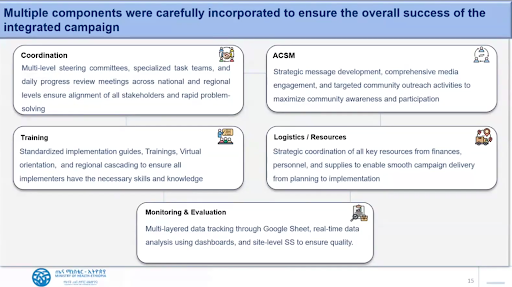
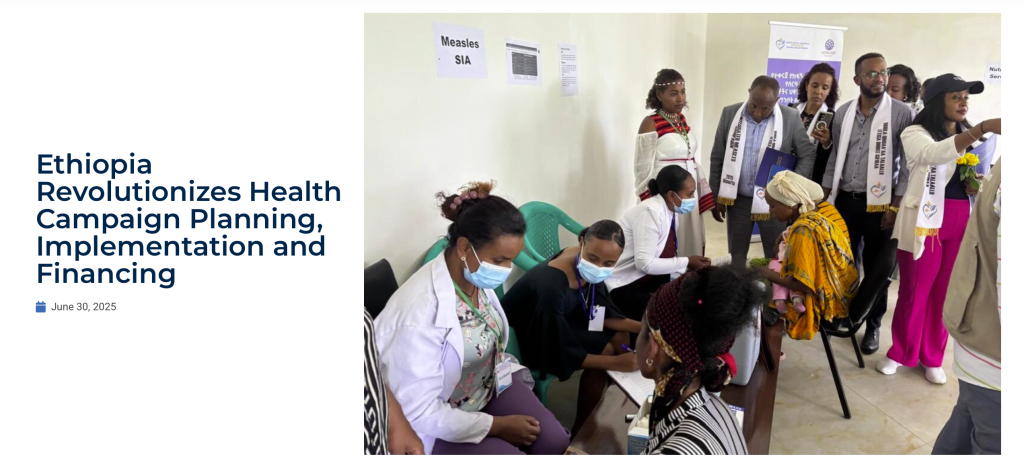
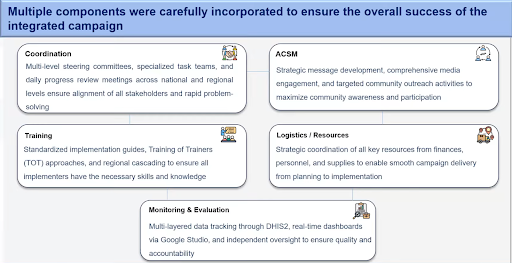
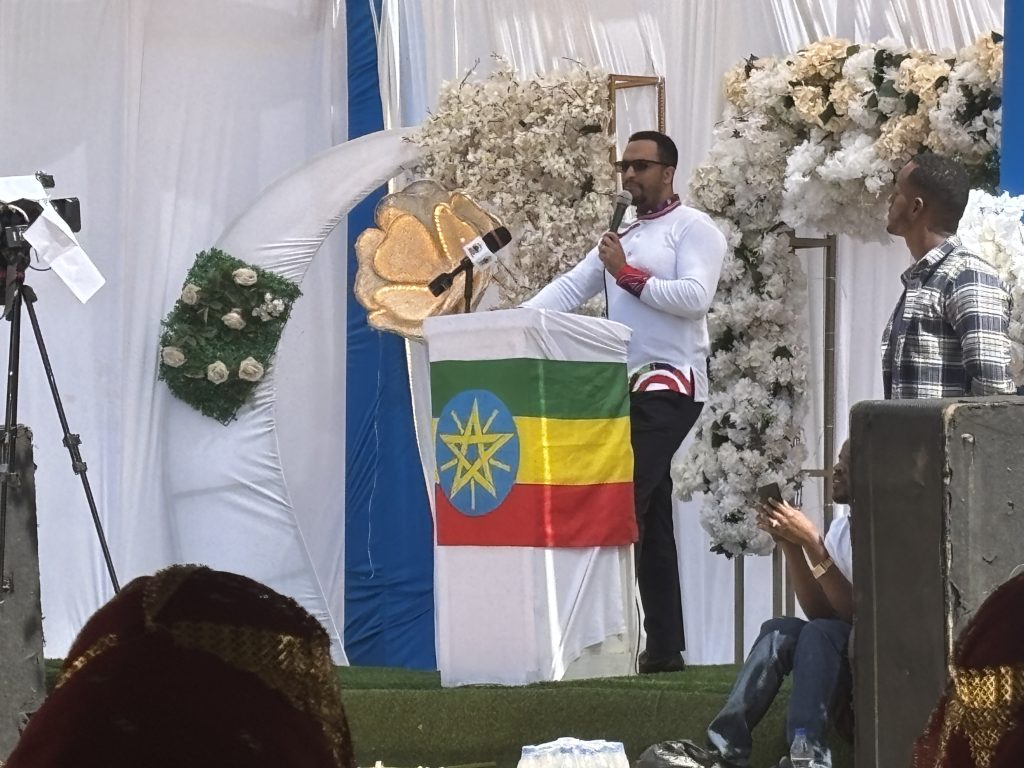
The E-CAS was officially adopted by the Federal Ministry of Health and launched in May 2025 with an integrated measles campaign that combined immunizations, nutrition, deworming, and maternal and child health services.
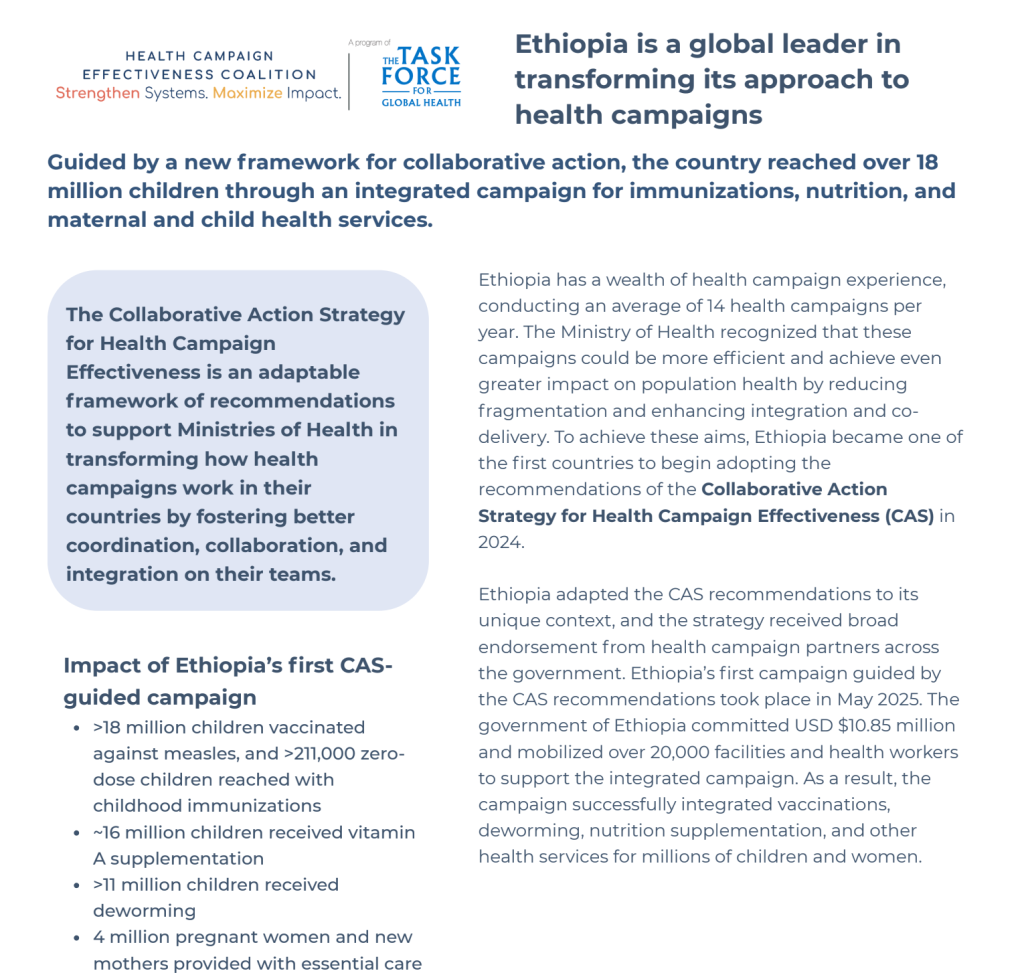
See below for media that illustrates this phase, including a selection of photos, a 1-pager, and article.
"The Health Campaign Effectiveness initiative is one of the most important initiatives that we have been working with our partners... and we have made it one of strategic area that we focus at Ministry…We found that at every level all the leadership has welcomed this important initiative."
Dr. Dereje Duguma, State Minister, Health Service and Program Wing, Federal Ministry of Health Ethiopia
Impact of the Integrated Campaign
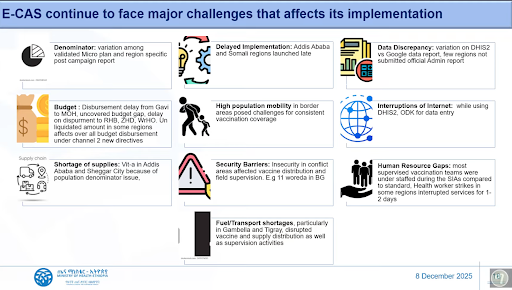
In late 2025, Ethiopia shared its journey in planning and implementing the E-CAS with partners in a webinar presented by Yonas Zula from the Ethiopia Federal Ministry of Health.
Analysis of the May 2025 campaign showed significant impact.
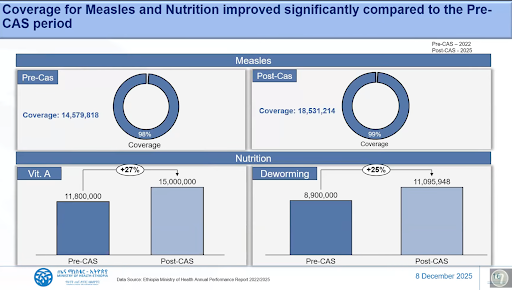
The government of Ethiopia committed USD $10.85 million and mobilized over 20,000 facilities and health workers to support the integrated campaign. Early analysis of the E-CAS guided campaigns showed the approach resulted in increased population coverage and reduction in zero-dose children.
- >11 million children received deworming (25% increase in coverage)
- ~16 million children received vitamin A supplementation (27% increase)
- >18 million children vaccinated against measles, and >211,000 zero-dose children reached with childhood immunizations
- 4 million pregnant women and new mothers provided with essential care
Watch the presentation below to hear the full story.
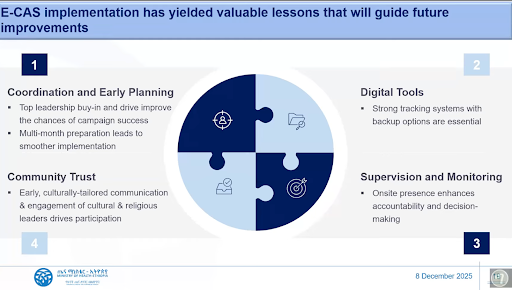
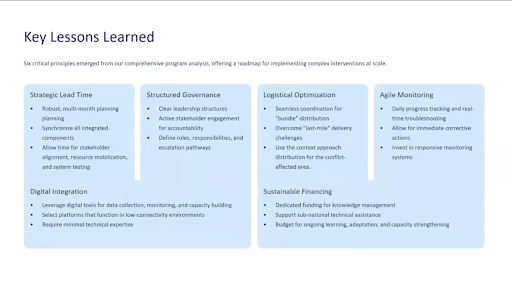
Lessons Learned
E-CAS Sustainability
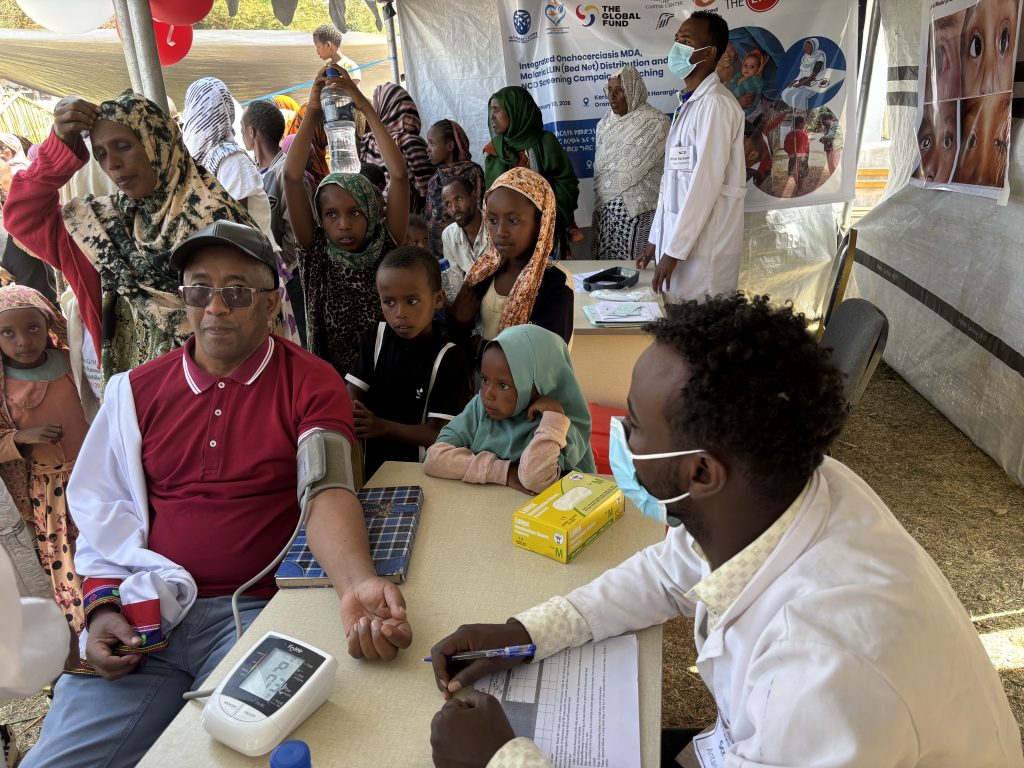
In January 2026, the next phase of the E-CAS launched the integrated delivery of onchocerciasis treatment, eye health and hypertension screening, and malaria insecticide-treated net (ITN) distribution under one coordinated platform.
Initial estimates of impact:
- 17 million ivermectin tablets distributed
- 1.2 million ITNs distributed
- 900k+ people screened for hypertension
- 2M+ people reached with eye health screening results are in the process of being synthesized.
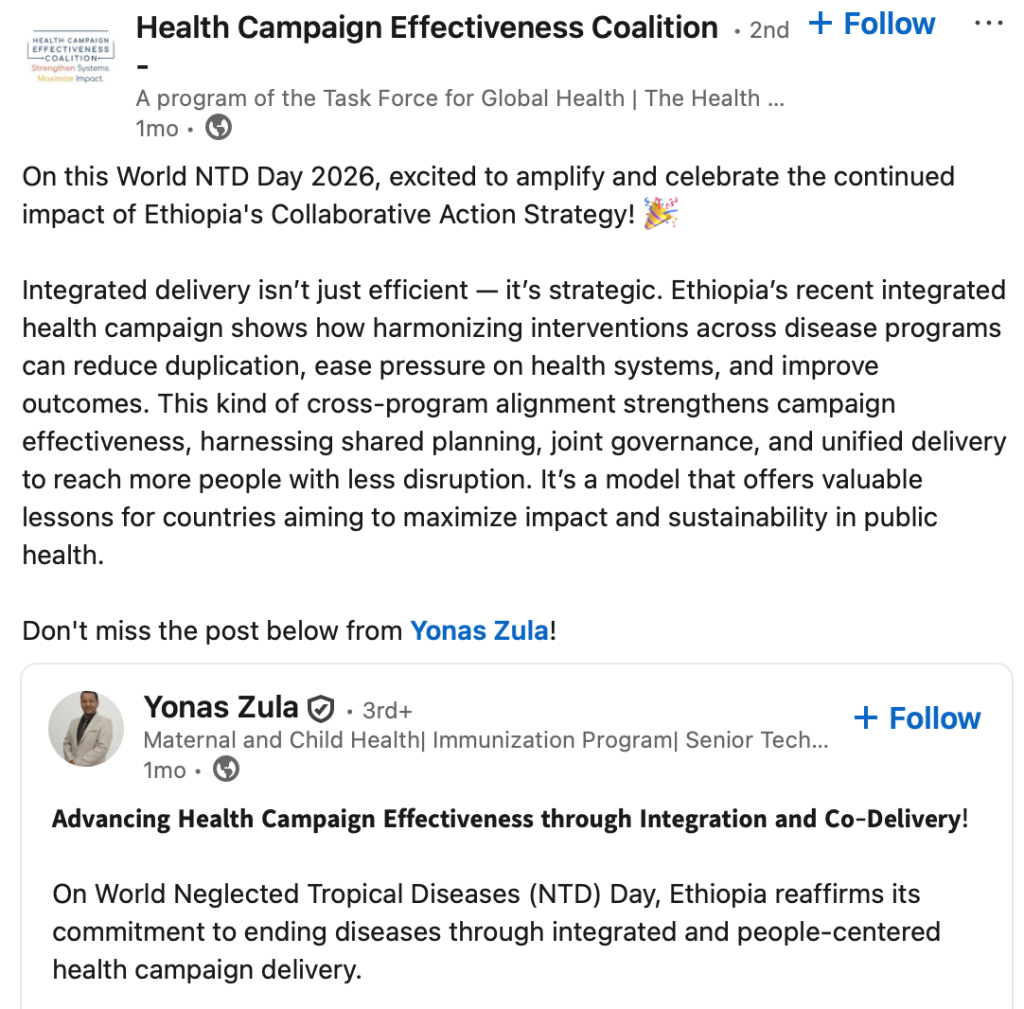
Watch the presentation about the campaign success by Yonas Zula from the Ethiopia Federal Ministry of Health during WHO’s World NTD Day 2026 Webinar and also read the meeting report summarizing his presentation.
What's Next
Current efforts are focused on the analysis of the January 2026 campaign. These insights and that of the May 2025 campaign are informing Ethiopia’s institutionalization of the E-CAS as they engage in strategic, multi-year campaign planning.