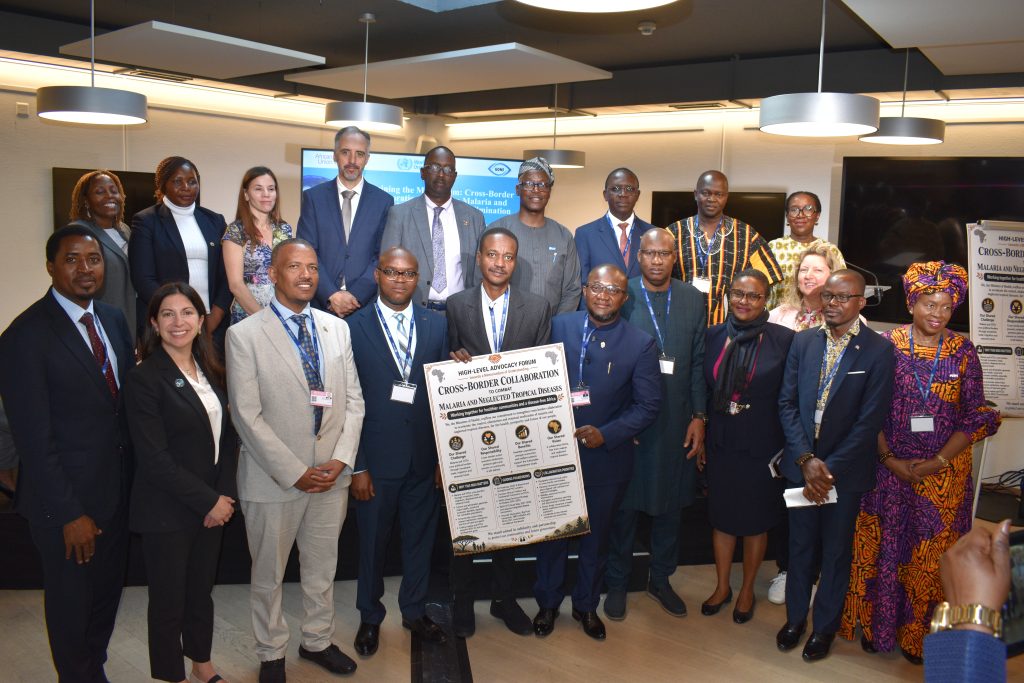
The Health Campaign Effectiveness (HCE) Coalition collaborated with co-conveners from the World Health Organization’s Global Onchocerciacis Network for Elimination and the African Union Commission, alongside partners African Leaders Malaria Alliance (ALMA), Drugs for Neglected Diseases initiative (DNDi), The END Fund, and RBM Partnership to End Malaria on a side event to address a critical challenge: accelerating disease elimination amidst a landscape of declining global funding.
Because malaria and neglected tropical diseases (NTDs) easily cross political borders through trade, migration, and seasonal travel, unilateral country efforts are insufficient. Coordinated cross-border action is vital to prevent disease resurgence, protect hard-won health gains, and build resilient, integrated health systems that support primary health care.
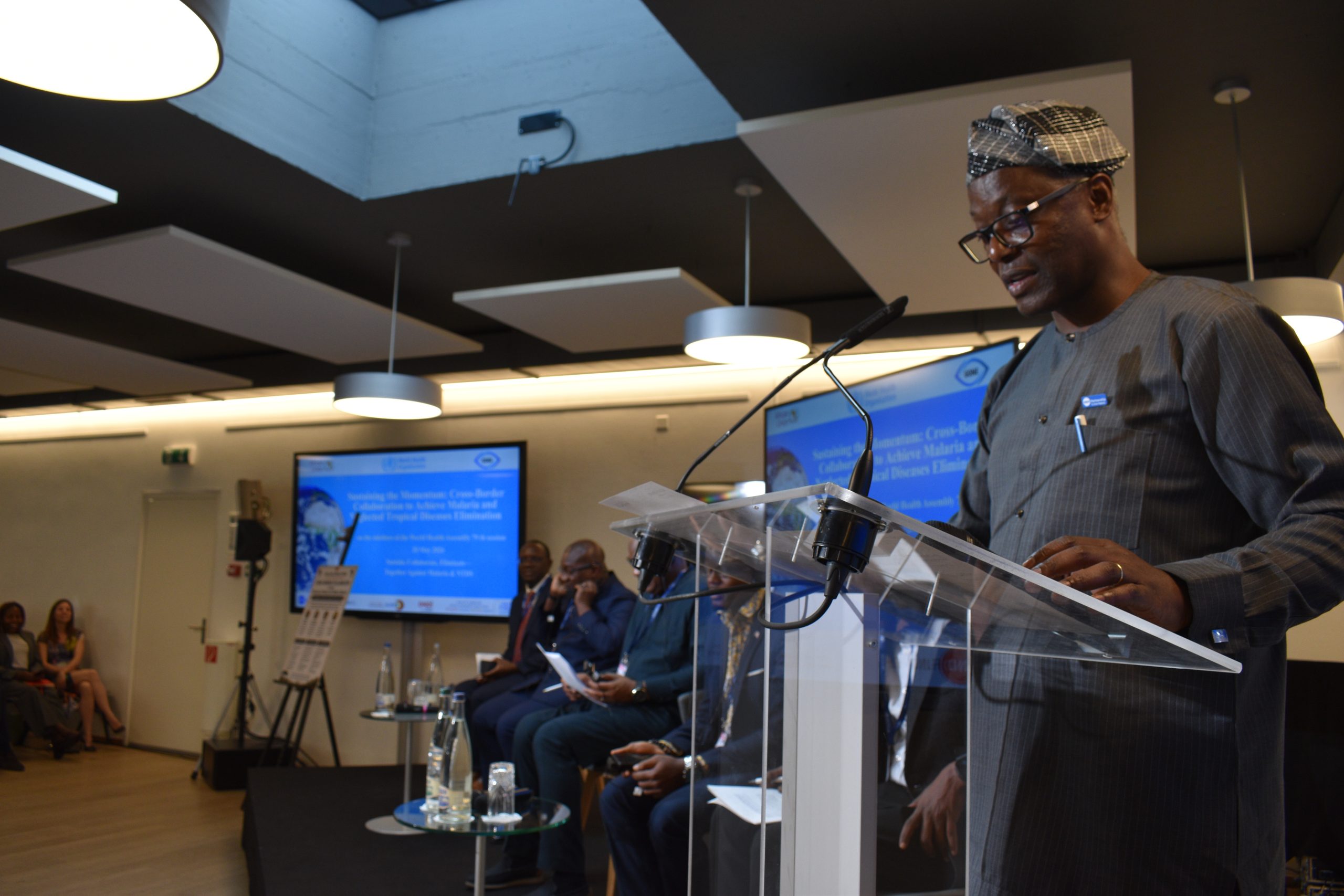
Dr. Michael Adekunle Charles, Chief Executive Officer of RBM Partnership to End Malaria, a member organization of the HCE Coalition Leadership Team, provided closing remarks at the event.
At the event, a distinguished panel of Health Ministers and senior African officials across 10 countries reaffirmed their commitment to strengthening cross-border collaboration to accelerate the elimination of malaria and NTDs, while highlighting the development of a new memorandum of understanding to support coordinated and sustained action across borders.
Dr. Michael Adekunle Charles, Chief Executive Officer of RBM Partnership to End Malaria, a member organization of the HCE Coalition Leadership Team, provided closing remarks, sharing “Today’s discussions also reinforced a central lesson: integration is not simply an operational choice — it is a strategic necessity.
Bringing malaria and NTD services closer together, and embedding them within broader health systems and primary health care, enables countries to maximize the impact of limited resources, reduce duplication, strengthen surveillance and service delivery, and build more resilient systems that can better respond to current and future health challenges.”
The HCE Coalition’s Collaborative Action Strategy for Health Campaign Effectiveness (CAS) offers countries a practical tool for the kind of country-led coordinated planning needed to advance cross-border disease elimination goals while strengthening resilient, integrated health systems.
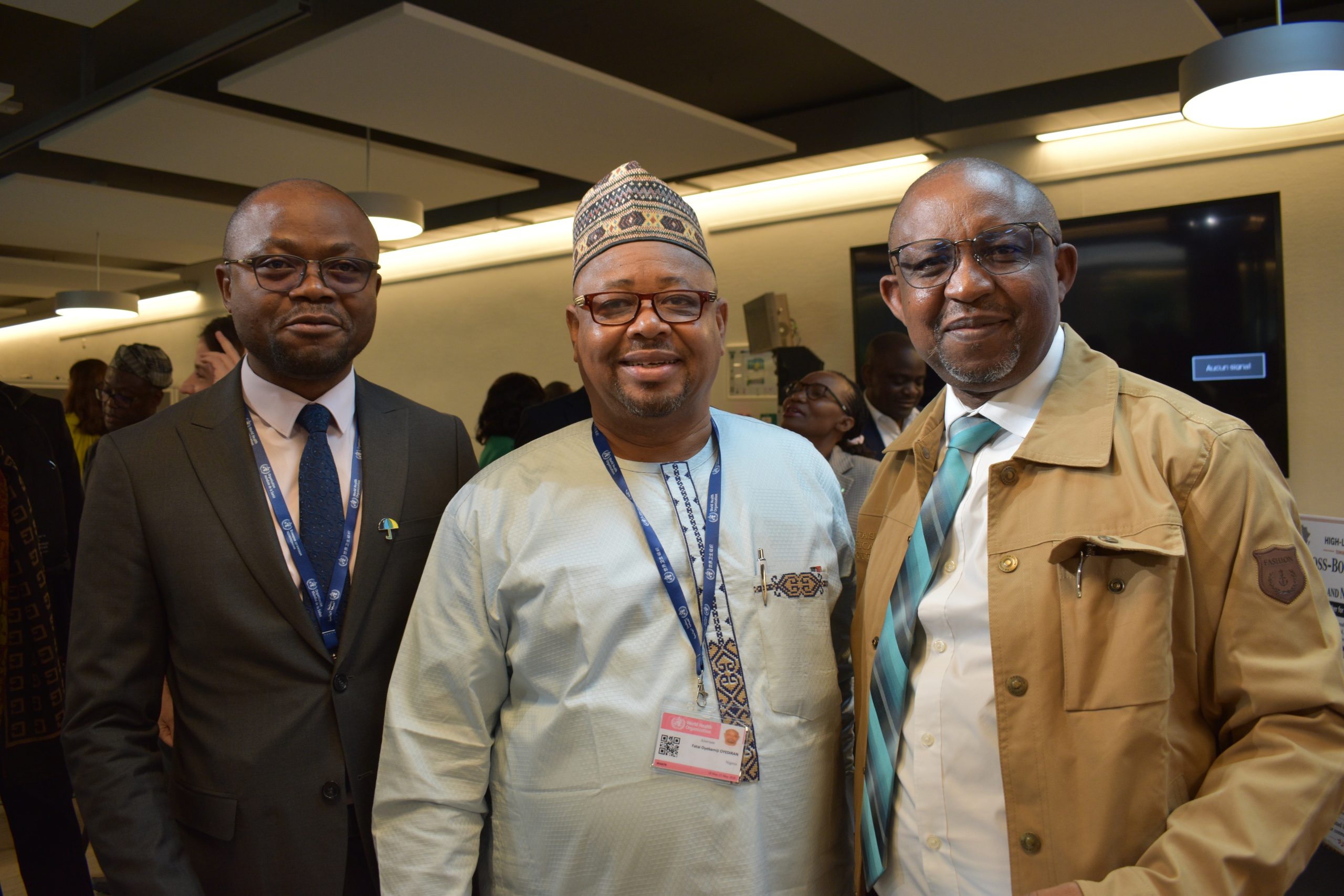
Mr. Fatai Oyediran (center) at the event. Mr. Fatai is the Director and National Coordinator of the Neglected Tropical Diseases (NTD) Division at the Federal Ministry of Health and Social Welfare (FMoHSW) in Nigeria.
Task Force for Global Health’s Health Campaign Effectiveness Director Kristin Saarlas at the event.
For the HCE Coalition, this is what it’s all about—supporting countries and partners to better align, plan, and deliver more collaborative health campaigns that maximize impact and reach the communities who need them most.
In the time since the event took place, Senegal and Burundi have formally expressed their support for a proposed Memorandum of Understanding (MoU) on cross-border collaboration to combat malaria and NTDs through official submissions to the African Union Commission. The draft MoU continues to be refined through planned consultations, with discussions underway on implementation modalities and potential pathways towards endorsement.
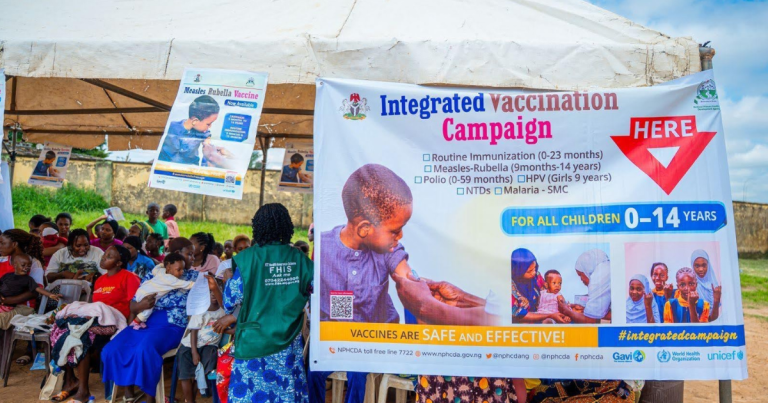
Explore examples of how Ethiopia and Nigeria adapted the CAS to their contexts and learn more about their experiences: